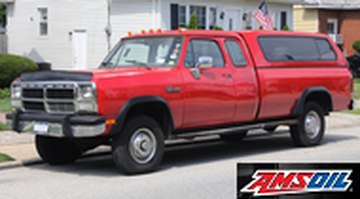
Engine Lubrication Care for the 1982 Dodge Trucks W250 5.2L
Maintaining a vehicle of this era requires a proactive approach to mechanical oversight. For owners of the 1982 Dodge Trucks W250 equipped with the 5.2L engine, consistent attention to lubrication systems is a fundamental aspect of long-term engine health. Because these vehicles were designed for utility and durability, keeping the internal components properly lubricated helps manage the stresses associated with regular use.
Monitoring Fluid Integrity and Condition
One of the most effective ways to monitor the health of your 5.2L engine is through regular observation of the lubricant itself. The condition of the oil can provide significant clues regarding the internal state of the engine. When performing routine checks, pay close attention to the following:
- Color and Clarity: While oil naturally darkens over time due to use, an extremely rapid change in color or a milky appearance may warrant further investigation.
- Consistency: The presence of unexpected textures or grit within the lubricant can indicate that contaminants are entering the system.
- Level Fluctuations: Regularly checking the oil level ensures that the engine is not operating with insufficient lubrication, which can lead to increased friction and heat.
If you notice any unusual changes in how the oil looks or behaves, it is advisable to investigate the cause rather than simply adding more fluid. Changes in lubricant appearance can be associated with various factors, including environmental contamination or internal engine processes.
Observing Potential Warning Signs
While many mechanical issues develop gradually, some symptoms may appear more suddenly and require immediate attention. For a 1982 Dodge Trucks W250, being observant of the vehicle's behavior during operation can help identify potential lubrication concerns before they escalate.
An unusual odor, such as a burning smell, may indicate that oil is contacting a hot surface. Similarly, any visible smoke from the exhaust should be monitored; while different colors of smoke can have various origins, changes in exhaust characteristics are often worth investigating to ensure the engine is operating within normal parameters. If you notice an unexpected increase in how much oil the engine seems to use between service intervals, this is a sign that the vehicle's lubrication needs should be evaluated.
It is important to remember that these symptoms can have multiple causes. A single observation, such as a minor leak or a change in sound, does not definitively point to one specific component failure. Instead, use these signs as prompts for a more thorough inspection of the engine bay and undercarriage.
Practical Inspection of Engine Bay Components
A systematic visual inspection can help identify areas that may require maintenance. When working around the 5.2L engine, focus on the integrity of various seals and connections. Inspecting gaskets and seals for signs of age-related seepage or leakage is a prudent practice for any vehicle of this age.
Beyond the lubrication system, use your routine service time to check other critical areas:
- Hoses and Connections: If present, inspect hoses for signs of cracking, softening, or bulging.
- Drive Belts: If equipped, examine accessible drive belts for evidence of fraying, glazing, or surface deterioration.
- Electrical Integrity: Check that wiring and electrical connectors are secure and show no signs of heat damage or corrosion.
- Air Filtration: Ensure the air intake system is clean and free of debris to prevent contaminants from entering the combustion process.
By combining these visual checks with regular oil monitoring, you can establish a clearer picture of your vehicle's current mechanical condition.
Prioritizing Maintenance Based on Condition
For owners of older trucks, deciding which maintenance tasks to prioritize can be challenging. Rather than following a rigid schedule based solely on the age of the vehicle, it is often more effective to base your priorities on the actual, observed condition of the truck. This approach allows you to address the most pressing needs first.
If you do not have a complete service history for the W250, your first priority should be establishing a maintenance baseline. This involves performing a thorough inspection and documenting the current state of all fluids, filters, and major components. Once this baseline is set, you can track changes over time. Addressing active leaks or responding to new warning signs should always take precedence over general preventive tasks. Keeping detailed records of every oil change, filter replacement, and observed repair will assist in making informed decisions about the vehicle's long-term care.
Managing Lubrication for Long-Term Ownership
As a vehicle ages, its lubrication requirements may evolve. Some high-mileage oil formulations contain additives intended for use in aging engines, including seal-conditioning additives that may help maintain the integrity of various components. While these formulations can be beneficial, they should be selected based on the specific needs and current condition of your engine.
Consistent maintenance is the most reliable way to manage the transition from a newer vehicle to one with higher mileage. By staying vigilant about fluid quality and performing regular inspections, you can mitigate the effects of age and ensure that the 5.2L engine continues to operate as intended. The goal is to move from reactive repairs to a more controlled, condition-based maintenance strategy.
Buying Engine Oil for your 1982 Dodge Trucks W250 5.2L
When it is time to replenish your engine's lubricant, the most important step is to ensure you are using the correct product for your specific application. To select the appropriate oil, match the engine oil to the application-specific viscosity information already displayed on this page.
Before making a purchase, always check the product labeling to verify that the oil meets the necessary quality standards and certifications. You may choose between conventional, synthetic blend, or full synthetic oils depending on your preferences and the guidance provided in your vehicle's application data. If you are using an engine with higher mileage, you might consider high-mileage formulations, but always ensure they align with the viscosity requirements listed above. Avoid making assumptions about which oil grade is best based solely on the age of the truck; instead, rely strictly on the technical specifications provided in the application information for this 1982 Dodge Trucks W250.